
Polished Concrete Cost Adelaide Installing new concrete during Adelaide’s warmer months can be a great way to improve your property, but many homeowners don’t realise just how much the local climate can influence the final result. Adelaide is known for its hot, dry summers, with temperatures frequently exceeding 35°C and occasionally reaching over 40°C during heatwaves. While concrete is built to handle tough conditions, extreme heat can create challenges during the critical curing phase.
Having worked around numerous concreting projects across Adelaide, I’ve seen firsthand how summer temperatures can affect newly poured driveways, patios, footpaths, and outdoor entertaining areas. In many cases, the difference between long-lasting concrete and early cracking comes down to how well the concrete is managed during hot weather.
Why the First Few Days Matter
When concrete is first poured, it doesn’t simply dry—it cures. Curing is a chemical process where cement reacts with water to gain strength over time. For this process to work properly, moisture must remain in the concrete long enough for the reaction to occur.
One of the biggest problems during Adelaide summers is that heat and wind can cause water to evaporate too quickly from the concrete surface. When this happens, the concrete may not achieve its full strength and durability.
I’ve seen freshly poured driveways develop fine surface cracks within days because the concrete lost moisture too rapidly during a hot spell.
Increased Risk of Surface Cracking
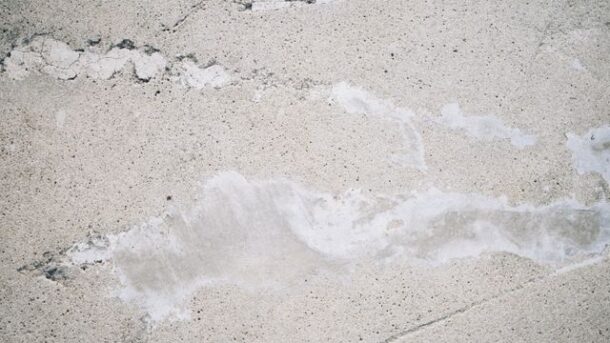
Rapid evaporation is one of the leading causes of early cracking. As moisture leaves the surface faster than the concrete can cure, tension develops, creating small cracks known as plastic shrinkage cracks.
These cracks may appear minor at first, but they can affect both the appearance and longevity of the concrete.
In Adelaide’s dry climate, this risk increases significantly during periods of extreme heat, especially when combined with strong afternoon winds.
Uneven Curing and Surface Weakness
Another issue caused by high temperatures is uneven curing. The top layer of concrete can harden much faster than the material beneath it. This difference in curing rates can lead to surface weakness, dusting, or reduced durability.
I once visited a residential project where the driveway looked perfect immediately after installation. However, several months later, sections of the surface began wearing down faster than expected because curing conditions were not properly controlled during a heatwave.
Colour Variations and Appearance Issues
Many homeowners invest in decorative concrete finishes, exposed aggregate, or coloured concrete to enhance their property’s appearance. Unfortunately, extreme heat can sometimes affect the final colour consistency.
When sections of concrete cure at different rates, slight variations in colour or texture may become visible. While these differences are usually cosmetic, they can be disappointing for homeowners expecting a perfectly uniform finish.
How Professionals Protect New Concrete
Experienced Adelaide concreters understand the challenges of hot-weather installations and take extra precautions to protect the concrete.
Common measures include:
- Scheduling pours during cooler parts of the day
- Using curing compounds
- Covering concrete with protective materials
- Applying water curing methods
- Monitoring weather forecasts carefully
These steps help maintain moisture levels and ensure the concrete develops its intended strength.
What Homeowners Should Do
If you’ve recently had concrete installed, follow your contractor’s aftercare instructions carefully. Avoid heavy traffic on the surface, keep it protected during the curing period, and ensure adequate moisture is maintained if recommended.
The first week is particularly important and can significantly impact the long-term performance of the concrete.
Final Thoughts
Adelaide’s summer heat can be tough on new concrete, but it doesn’t have to cause problems. In my experience, most issues such as cracking, surface weakness, and appearance defects can be avoided with proper planning, professional installation, and correct curing practices.
Understanding how heat affects concrete helps homeowners make informed decisions and ensures their driveway, patio, or pathway remains strong, attractive, and durable for many years to come.